
When does “good” city planning have “bad” outcomes?
I’ve been thinking a lot since getting back from a planning conference in Toronto about the difficulty city planners often face when trying to balance competing public interest considerations as the city develops. Since returning, I’ve had strip malls on my mind.
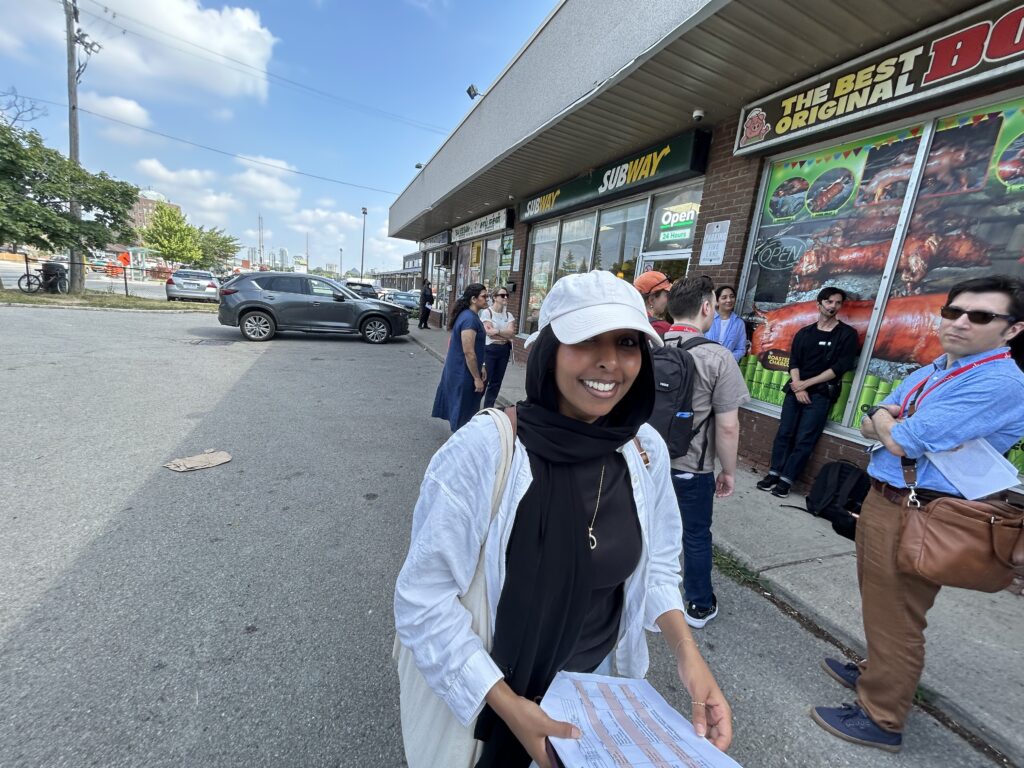
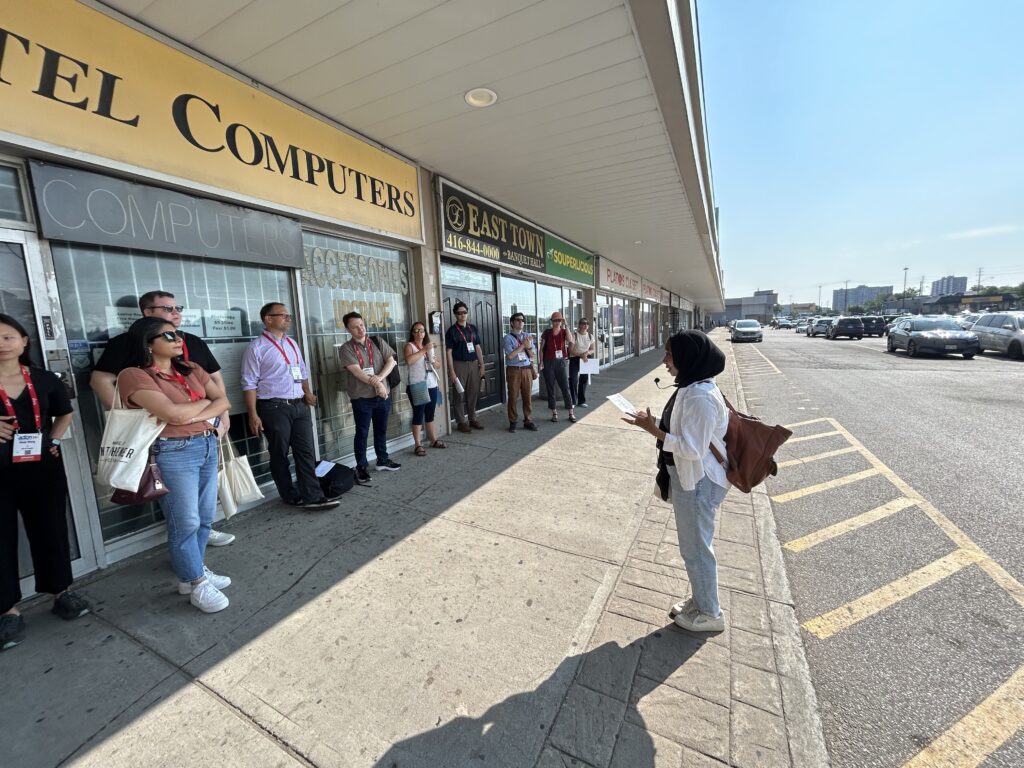
While I was at the conference, I did a tour of Scarborough strip malls with planners from across the country. We all know strip malls across Ottawa. These one- or two-storey commercial plazas are divided into multiple small stores, set back from big arterial streets like St. Joseph or Merivale with lots of parking in front.
In Scarborough and increasingly here, those businesses are often diaspora-owned. They’re cultural and community hubs offering personal services, groceries, restaurants and more. In Toronto, there are more than 200 of these strip plazas (as they’re called there) that are 97% occupied right now. They depend on that plentiful parking to serve customers coming from across the city, and the space tends to be affordable.
Their days, though, are likely numbered.
In the current thinking, the lands now occupied by car-centric, sprawling strip malls is put to better use as denser mixed-use development with lots of housing close to transit. We face a housing crisis and urban sprawl and continued car-dependency are existential environmental and economic problems. We’re investing billions in better transit that’s affordable only if we allow the density to support it.
The issue isn’t just a Toronto one. This week, I hosted an open house to look at the plans for a proposed new tower at Carling and Tillbury. One of the questions that was posed was about business re-location. There are currently a number of small businesses in two strip malls where the tower is proposed to go.
Those small enterprises are likely going to be challenged to afford the rents in a brand new, modern building. Even if they can secure a lease in the new building when it’s completed they’ll certainly struggle to find affordable space in which to temporarily re-locate during construction.
It’s not very different from the overall problem we face of gentrification as the undesirable flip side of residential intensification. New housing in great neighbourhoods that receive lots of infrastructure investment to support density is priced out of range for many, a function of the market in highly desirable communities.
Toronto planners who took us on the tour don’t have an answer to the conundrum today. They’re ahead of Ottawa, though, having launched a study of the problem that you can read here. On our tour, a number of potential solutions were floated that I find very compelling. Some of the approaches that Toronto’s planners are exploring include:
- Requiring 1:1 replacement for lost commercial spaces;
- City acquisition of commercial space that can be managed to the benefit of small businesses, whether permanently or temporarily during construction;
- Community Improvement Programs (CIPs – often tax grants);
- The expansion of commercial activity into residential neighbourhoods to offer alternatives to expensive main street locations
I’d add to this list, although I didn’t hear it mentioned explicitly, the potential role a vacant commercial unit tax could play in disciplining rents and encouraging small business occupation of retail spaces.

There’s some significant overlap in this list with the anti-gentrification playbook: acquisition, public and not-for-profit ownership, more permissive zoning. Most of it, though, will require public investment, and the expansion of small-scale commercial activity into neighbourhoods that are currently exclusively residential is no small political problem.
Our city won’t change overnight, and there will be strip malls across the city for the foreseeable future. I’m not going to fight transit-supportive development like the Carling/Tillbury tower in the meantime: we need those apartments in neighbourhoods well-served by existing amenities and we need the density to accelerate transit measures on Carling. But Toronto planners are correct to identify a looming problem and begin addressing it. We will absolutely need to do the same.